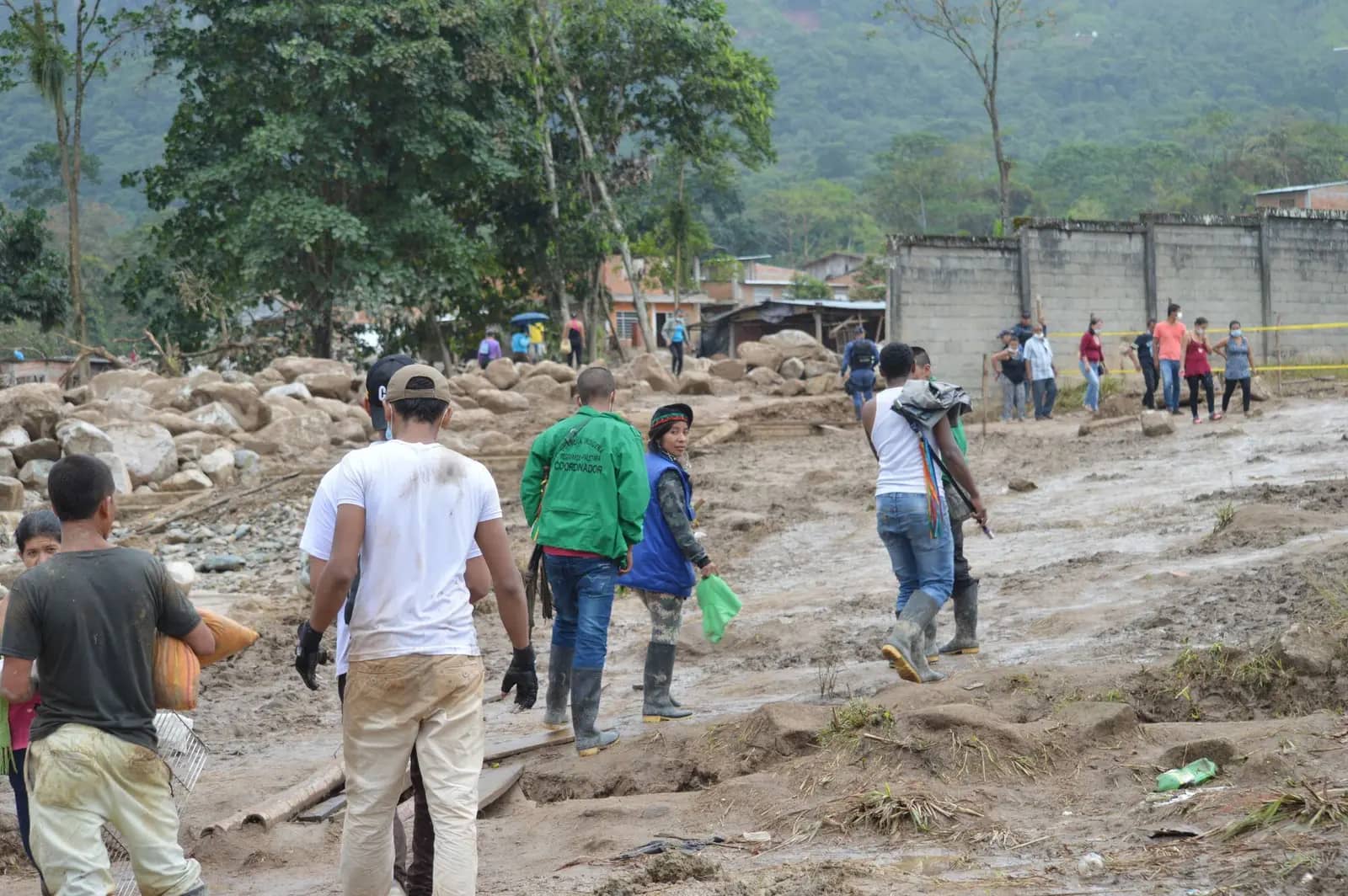
Civil society organizations operating in conflict-affected and high-risk environments face conditions characterized by uncertainty, limited predictability, and significant operational complexity. At the same time, donors and partners increasingly expect stronger accountability, robust evidence of impact, effective safeguarding systems, and credible localization of programs.
We support civil society organizations and their partners in strengthening internal structures, accountability mechanisms, and partnership models so they can remain effective, resilient, and financially sustainable in highly complex operating environments.
The effectiveness of organizational development and localization depends on how well governance structures, roles, decision-making processes, and partnerships are aligned with local realities and operational complexity.
In conflict-affected and high-risk environments, this is particularly challenging, as organizations and donors often operate under significant time pressure and resource constraints while expectations regarding accountability, safeguarding, impact measurement, and localization continue to increase.
01Organizational development is often deprioritized in favor of immediate program delivery.
02Structures and processes are transferred from other contexts rather than adapted to local realities.
03Roles, responsibilities, and decision-making processes remain unclear or fragmented, reducing organizational agility particularly during periods of escalating crisis.
04MEAL systems focus primarily on reporting requirements and output indicators while providing limited support for learning, adaptation, and strategic decision-making.
05Safeguarding systems remain largely compliance-driven instead of being embedded in a context-sensitive and trusted organizational culture.
06Localization focuses on transferring implementation responsibilities rather than meaningful shifts in decision-making authority and resource ownership.
When organizational systems are not adapted to complex environments, organizations often struggle to coordinate effectively, operate responsibly, and respond to changing conditions. This can result in implementation bottlenecks, staff overload, increased operational risks, and greater difficulty demonstrating accountability to donors and partners. At the same time, uncertainty around program effectiveness, organizational performance, and responsible use of resources increases pressure to strengthen compliance, risk management, and evidence of impact.
Context-sensitive organizational development and meaningful localization provide the foundation for effective governance, strong partnerships, and long-term organizational resilience in complex environments.
We analyze organizational roles, responsibilities, decision-making authority, and relationships across teams, partners, and key stakeholders. Particular attention is given to differing perspectives and existing power dynamics that may influence collaboration, accountability, and localization processes.
02
Governance and Decision-Making Systems
We strengthen governance arrangements, organizational roles, and decision-making structures so responsibilities are clearly defined, accountability is strengthened, and decisions can be made effectively—even under highly complex operating conditions.
03
Organizational Maturity and Effectiveness Assessments
Rather than assessing systems solely on whether they formally exist, we evaluate how they function in practice. We examine how organizations operate under resource constraints, uncertainty, security risks, and complex partnership structures, identifying practical opportunities for organizational improvement while building on existing strengths.
04
Conflict- and Context-Sensitive Organizational Development
We design organizational systems, partnerships, and governance mechanisms with the realities of conflict and high-risk environments in mind. Our approach ensures that organizational structures meet donor expectations while remaining practical under volatile conditions and limited capacities.
How We Support You
01
Governance & Institutional Strengthening
Civil society organizations operating in conflict-affected and high-risk environments must deliver effective programs, remain accountable to donors and partners, and respond to rapidly changing conditions. Achieving this requires governance and organizational systems that provide clear responsibilities while remaining functional under complex and uncertain circumstances.
We support organizations in designing and strengthening governance arrangements, decision-making processes, accountability mechanisms, and internal management systems. Our work considers formal organizational structures as well as how they function in day-to-day operations.
Depending on your needs, we support the development or refinement of organizational missions and strategic objectives, governing documents, board structures, and internal policies and procedures covering finance, human resources, procurement, and program management. We also help establish effective internal grievance and accountability mechanisms.
The result is an organizational system that supports effective program delivery, strengthens accountability, and enhances long-term funding and partnership readiness.
02
MEAL Systems for Effectiveness and Better Decisions
Monitoring, Evaluation, Accountability, and Learning (MEAL) systems should generate meaningful evidence and strengthen organizational learning while meeting donor requirements. In practice, however, many organizations operate with systems that are fragmented or only loosely connected to everyday program management.
We design and support the implementation of MEAL systems tailored to organizations working in conflict-affected and high-risk environments. Our objective is to create systems that meet donor expectations while also providing practical value for management and organizational learning.
Our work includes developing Theories of Change, qualitative and quantitative indicators, data collection and analysis frameworks, quality assurance mechanisms, and approaches for using evidence in organizational decision-making. We also support the establishment of routines, workflows, and internal capacities necessary for successful implementation.
The result is a practical and sustainable MEAL system that integrates learning, accountability, and evidence-based program management.
03
Internal Safeguarding Systems
Civil society organizations must be able to identify, prevent, and respond to risks related to misconduct, exploitation, abuse, and misuse of power while embedding safeguarding into their governance and accountability systems. At the same time, safeguarding mechanisms must be trusted, accessible, and functional in everyday organizational practice. Effective safeguarding is therefore a core element of organizational responsibility and accountability.
We support organizations in establishing and strengthening safeguarding systems as an integral part of their governance and accountability framework. Our approach combines international good practice with the realities of local operating environments.
Our work includes developing or strengthening safeguarding policies and codes of conduct, awareness and training programs, focal point and responsibility structures, complaint and reporting mechanisms, and case management procedures. We also support the integration of safeguarding into existing governance, human resources, and program management systems.
The result is a safeguarding system that systematically addresses risks while strengthening accountability, trust, and institutional capacity within the organization.
04
Localization Advisory Services
Localization requires far more than transferring operational responsibilities to local actors. Sustainable localization depends on governance arrangements that distribute responsibilities, resources, risks, and decision-making authority in ways that enable local organizations to lead effectively and independently.
We support organizations in developing and implementing context-sensitive localization strategies while strengthening partnership models between international and local organizations. Our work examines power dynamics, financing arrangements, risk sharing, and organizational decision-making structures.
This includes reviewing and strengthening partnership models, supporting organizational change processes, and building local institutional capacity in governance, financial management, MEAL, and safeguarding. We also facilitate workshops and reflection processes on partnership, accountability, shared leadership, and localization.
The result is stronger partnerships and organizational systems that expand local ownership, strengthen local decision-making, and contribute to more sustainable program outcomes.
Value
What you gain
01
Operational Organizational Systems
You gain practical and integrated governance, MEAL, safeguarding, and localization systems that replace fragmented processes and disconnected solutions. The result is a coherent organizational framework that supports everyday operations rather than existing only on paper.
02
Stronger Organizational Management and Learning
MEAL and accountability systems are designed not only to meet donor reporting requirements but also to strengthen organizational learning, adaptive management, and strategic decision-making. Learning becomes an integral part of day-to-day program implementation.
03
Clear Roles and Decision-Making Structures
Organizations, teams, and partners benefit from clearly defined responsibilities, decision-making authority, and information flows. This creates transparency around who makes decisions, on what basis decisions are made, and how accountability is maintained throughout the organization.
04
Greater Funding and Partnership Readiness
Organizations can clearly demonstrate to donors and partners how accountability, organizational learning, governance, and program effectiveness are embedded within their institutional systems. This strengthens credibility, improves organizational coherence, and enhances readiness for funding opportunities and strategic partnerships.
Practice examples
Anonymized project scenarios
The following scenarios are generalized and do not include confidential client, country, or project details.
01
Limited Access to Complaint Mechanisms
Context
A civil society organization received informal indications of possible staff misconduct, yet no formal complaints had been submitted through its existing reporting channels.
Challenge
The organization was uncertain whether its safeguarding and complaint mechanisms were sufficiently well known, accessible, and trusted, and how informal reports should be handled.
Approach
We assessed existing safeguarding structures, organizational roles and responsibilities, as well as internal communication practices and organizational trust surrounding complaints and misconduct reporting.
Outcome
The organization received practical recommendations for improving the accessibility and credibility of its complaint mechanisms while strengthening roles, processes, and accountability within its safeguarding system.
02
Localization Without Clear Governance
Context
An organization sought to transfer greater responsibility to local partners and strengthen its localization efforts.
Challenge
Roles, decision-making authority, and the allocation of financial and operational risks between the organization and its local partners were insufficiently defined, creating tensions within the partnership.
Approach
We facilitated a structured review of existing partnership and governance arrangements, focusing on power dynamics, resource allocation, accountability mechanisms, and shared decision-making processes.
Outcome
The partners jointly developed a clear governance framework that established shared expectations, clarified roles and responsibilities, and defined decision-making and accountability arrangements for future collaboration.
What sets us apart
Our organizational development approach is grounded in the realities of conflict-affected and high-risk environments while emphasizing organizational effectiveness and integrated systems.
01
Designed for Conflict-Affected and High-Risk Environments
Many organizational models are developed for stable operating environments and quickly reach their limits in fragile settings. We design governance systems, organizational processes, and partnership models around the realities organizations actually face. Insecurity, restricted access, limited resources, and rapidly changing operating conditions are at the core of our approach.
02
Focused on Organizational Effectiveness
Organizations face growing expectations from donors, partners, and regulators while often relying on systems that satisfy formal requirements but provide limited operational value. Our focus is on creating structures that strengthen decision-making, improve collaboration, and enhance the organization’s ability to operate effectively – not simply to demonstrate compliance.
03
Integrated Governance, Accountability, and Implementation
Governance, MEAL, safeguarding, and localization are often managed as separate workstreams. We approach them as interconnected components of organizational effectiveness. This creates integrated systems in which governance structures, accountability mechanisms, learning processes, and decision-making arrangements reinforce one another.
Related services
Depending on the starting point, combining several services can help connect risk analysis, system-building, and implementation.